
Plantar warts exist as a widespread foot condition after HPV infection manifest on bottom foot surfaces. Plantar warts exist as small irregular shaped growths which cause maximum discomfort during extended walking or standing. Accuracy in identifying plantar warts symptoms at early stages enables both proper treatment and the prevention of their transmission. The following guide will discuss the usual plantar wart indicators along with proper detection from foot ailments and effective management strategies.
Causes of Plantar Warts
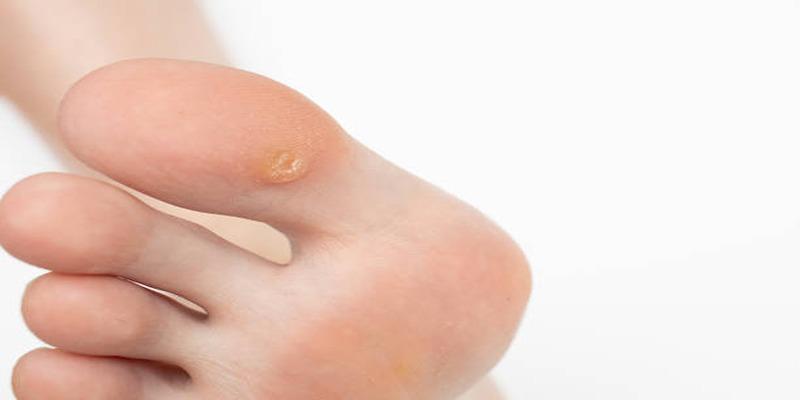
The human papillomavirus (HPV), responsible for plantar warts, enters the skin through small cuts or abrasions. This virus thrives in warm, moist environments like public showers, locker rooms, or swimming pools. Direct contact with contaminated surfaces or sharing personal items like shoes can increase the risk of infection. Once inside, the virus stimulates rapid cell growth, leading to the formation of rough, grainy warts on the feet.
Who Is Most at Risk of Plantar Warts?
Certain factors can heighten the likelihood of developing plantar warts. Individuals with weakened immune systems, children, or teenagers are particularly susceptible due to increased exposure or less-developed immunity. Regular participation in activities like swimming or sports that involve walking barefoot also elevates risk. Personal hygiene plays a critical role, and failing to maintain clean, dry feet may create an environment conducive to HPV infection and wart growth. Proper precautions can significantly reduce these risks.
Identifying the Symptoms of Plantar Warts
Plantar warts can be identified through several distinctive symptoms, making early recognition crucial for effective management.
Appearance of the Warts
Plantar warts typically present as rough, grainy, or fleshy growths on the soles of the feet, particularly in high-pressure areas such as the heels or balls of the feet. These growths may have a small black dot, often referred to as a "wart seed," which is a clotted blood vessel. Over time, the wart can grow deeper under the skin due to pressure from walking or standing, making them more painful.
Pain or Discomfort
One telling sign of plantar warts is discomfort or pain, particularly when applying pressure while walking or standing. This pain often distinguishes plantar warts from other skin conditions like calluses. The discomfort arises because the wart interrupts the normal structure of the skin and compresses underlying tissues during movement, affecting daily routines. If left untreated, the persistent pain may lead to changes in gait or posture, possibly causing additional stress on other parts of the body.
Differentiating Plantar Warts from Other Foot Conditions
Several foot conditions have similar symptoms to plantar warts, making it essential to differentiate them for effective treatment.
Corns and Calluses
Like plantar warts, corns and calluses are thickened layers of skin that develop on the feet in response to pressure or friction. However, unlike warts, they do not have a black dot and are usually painless. Furthermore, they often appear on weight-bearing areas like the ball of the foot or heel rather than on non-weight bearing areas like toes or sides of the feet.
Mosaic Warts
Mosaic warts are clusters of smaller, interconnected warts that can form anywhere on the body, including the feet. Unlike plantar warts, they often have a smoother, flatter surface and can be more challenging to treat due to their larger size and multiple growths.
Preventing the Spread of Plantar Warts
Plantar warts are highly contagious and can spread through direct or indirect contact. Taking preventive measures can help reduce the risk of transmission.
Practice Good Hygiene
Maintaining proper foot hygiene is crucial in preventing the spread of plantar warts. Always keep your feet clean and dry, as moist environments can promote the growth of the virus. Avoid sharing personal items like towels, socks, or shoes with others, as the virus can transfer via these surfaces. Additionally, disinfect any surfaces in your home, such as shower floors, that may come into contact with infected skin.
Wear Protective Footwear
Using protective footwear, such as sandals or flip-flops, in communal areas like swimming pools, showers, and locker rooms is vital. These environments are often breeding grounds for the virus responsible for plantar warts. Wearing shoes not only safeguards your feet from direct contact with contaminated floors but also ensures that the virus is less likely to spread to others. Protective footwear is a simple yet effective way to minimize exposure in shared spaces.
Treatment Options for Plantar Warts

Plantar warts can be treated using various methods, ranging from at-home remedies to professional medical procedures. Here are some of the most common treatment options:
Over-the-Counter Remedies
Over-the-counter treatments such as salicylic acid are widely available at pharmacies and can be effective for many individuals. These treatments work by softening the wart tissue, making it easier to remove over time. Applying the solution daily and maintaining consistency is key for success. Combining these remedies with proper foot hygiene and exfoliating dead skin can further enhance results, often leading to wart reduction over several weeks.
Cryotherapy
Cryotherapy, often performed by a doctor, involves freezing the wart using liquid nitrogen. This procedure destroys the infected tissue and triggers the immune system to fight the virus. While cryotherapy is effective, it may require multiple sessions depending on the wart's size and severity. Some individuals experience mild discomfort during the treatment, but it is generally well-tolerated. Post-treatment care and keeping the area clean are crucial for ensuring a quick and smooth recovery.
Prescription Medications
For stubborn or severe plantar warts, a doctor may prescribe stronger medications like topical treatments containing cantharidin or immune system stimulants. These medicines are designed to target the wart and boost the body's ability to combat the virus. Prescription treatments often work faster than over-the-counter options but may come with side effects. It's important to follow medical advice carefully to minimize risks and optimize the effectiveness of these solutions.
Surgical Procedures
For warts that do not respond to other treatments, surgical removal may be necessary. Procedures like curettage or laser surgery are used to physically eliminate the wart. While effective, surgical options are generally reserved for severe cases due to their invasive nature. Recovery time varies, but post-procedural care, such as keeping the wound clean and avoiding pressure on the area, is essential to prevent infection or recurrence.
Conclusion
Plantar warts can be persistent, but with the right approach, they are manageable. Early intervention is key, whether through home remedies, over-the-counter treatments, or professional medical care. Patience and consistency are critical in addressing the root of the issue and preventing recurrence. If symptoms worsen, or the wart does not respond to treatment, consulting a healthcare professional is essential for more advanced options. Taking proper preventive measures, like wearing footwear in public spaces, can help reduce the risk of future occurrences.