
Lysine is one of the most important amino acids for skin conditions. Collagen, a protein that maintains skin's strength and flexibility, is produced in large part depending on this. Lysine is sometimes associated with its advantages for immune support and wound healing. Its effects on general skin health and acne are starting to draw interest. Acne is a common cause, commonly caused by inflammation, germs, and blocked pores.
Lysine lowers inflammation and encourages healing, providing a natural approach to help clear skin. Most people can readily get this amino acid via food or supplements. Here, we discuss lysine's function in skincare. You will discover how it works, its advantages, and how to implement it into your daily schedule. This knowledge will help you achieve better, more healthful skin.
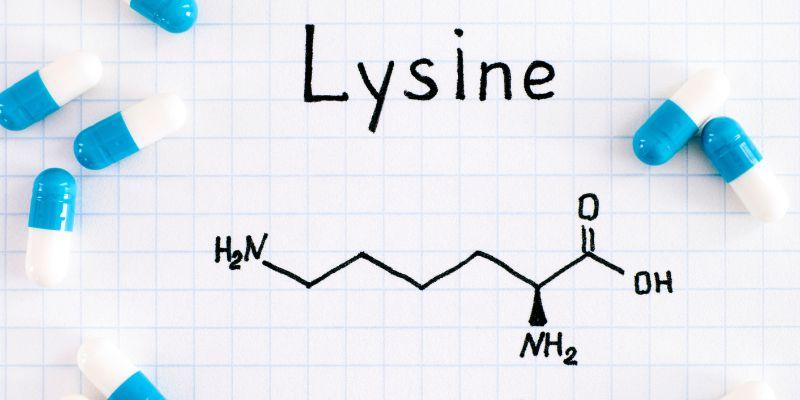
What Is Lysine?
Your body cannot make lysine, an important amino acid, so it must be obtained from food or supplements. Acting as a building component for proteins, it is essential for preserving normal tissues and general health. One of lysine's main purposes is its part in collagen synthesis. Reducing the appearance of wrinkles and preserving firm, young skin depends on collagen. Lysine also helps bone health by helping to absorb calcium and boosts immunity to combat infections. Many different foods naturally contain this amino acid.
Among animal-based supplies include meat, fish, eggs, and dairy goods. Legumes, almonds, quinoa, and soy-based foods let vegetarians acquire lysine. Lysine's contribution to skin health is especially crucial. It reduces scarring and aids in the restoration of injured tissues, therefore promoting wound healing. Furthermore, lysine's capacity to lower inflammation helps to control acne. These combined qualities make lysine a useful vitamin for preserving clear skin.
Lysine and Acne: How It Helps
Inflammation, bacterial infections, and the overabundance of oil production bring on common skin disorders, including acne. A necessary amino acid, lysine can help solve these problems in various ways:
- Promotes Skin Repair: One of lysine's main functions is helping to produce collagen. Collagen is crucial for maintaining structure and repairing skin. Lysine hastens the healing process when acne compromises the skin. Encouraging tissue regeneration and smoothness can, over time, help acne scars look less severe.
- Reduces Inflammation: Acne mostly causes redness, swelling, and discomfort through inflammation. Lysine's natural anti-inflammatory qualities can help calm redder skin. Reducing inflammation will help soothe active outbreaks and stop the aggravation of acne scars.
- Fights Infections: As germs proliferate inside blocked pores, acne often results. Lysine strengthens the immune system to combat these microorganisms more successfully. Over time, this helps keep clear skin and lowers the chance of fresh acne breakouts.
- Balances Skin Oils: One of the main causes of acne is an overabundance of oil. Lysine promotes healthy skin cells, which could help control the generation of sebum oil. With balanced oil levels, plugged pores are avoided, and new acne is less likely to develop.
Benefits of Lysine for Skin Health
Lysine is a great nutrient for general skin health since it provides several advantages beyond controlling acne. These ways help your skin:
- Boosts Collagen Production: Maintaining the elasticity, firmness, and smooth appearance of skin depends on collagen, so boosting its production is essential. Collagen production falls as we age, causing drooping skin and wrinkles. Lysine is key to collagen formation and helps preserve young, strong skin. By helping collagen synthesis, lysine can minimize fine line appearance and increase skin elasticity, guaranteeing a more vivid complexion.
- Speeds Up Healing: Lysine speeds up the healing of skin injuries such as cuts, scrapes, or acne blemishes. This amino acid guarantees that injured sites heal properly by encouraging tissue regeneration. It also speeds up the natural healing process, lowering the chance of scarring. For those prone to acne, this means fewer long-lasting marks and faster breakout recovery.
- Protects Against Sun Damage: Combining lysine with nutrients like vitamin C may help the skin withstand damaging UV radiation. Although lysine helps strengthen skin cells, increasing their resistance to environmental stresses, it is not a substitute for sunscreen.
- Improves Skin Texture: Frequent lysine use can help to produce more even-toned, smoother skin. Good cell renewal helps generally smooth the skin and minimize rough areas. Those with uneven or acne-prone skin particularly benefit from this.
How Should Lysine Be Included in Your Daily Schedule?
Lysine is easy and beneficial to include in your wellness or skincare routine. The following are some doable strategies:
- Dietary Sources: One of the simplest approaches to receiving lysine is by way of your meals. Excellent sources are foods derived from animals like meat, fish, eggs, and dairy products. Vegetarians can find lysine in plant-based foods such as lentils, quinoa, soy products, and almonds. Including these foods in your everyday diet guarantees a constant lysine intake to promote skin condition.
- Supplements: For those who might not obtain enough from diet alone, lysine supplements are conveniently available in capsule or powder form. See a healthcare professional to ascertain the proper dosage and guarantee safety before beginning any supplement, especially if you have underlying medical problems.
- Topical Products: Certain skincare products contain lysine as the active ingredient. For focused results, they can be used directly on damaged or acne-prone regions. They encourage skin healing and help to calm inflammation.
- Combination with Other Nutrients: Lysine is more beneficial for the skin when combined with other nutrients, such as vitamin C and zinc, which boost its effects. Consider using skincare products or diets that combine these nutrients for the best results.
Conclusion:
Strong amino acid lysine helps in many different ways to support skin conditions. From increasing collagen generation to lowering inflammation and acne to providing a natural fix for perfect, it delivers smooth skin. Including lysine in your routine from food, supplements, or topical treatments will improve your skin's general look and durability. However, lysine should be used sensibly; keep within advised dosages and see a doctor if necessary. Lysine can become a great friend in your skincare path if used consistently and with correct care; it will enable you to attain better, more luminous skin.