
Starch is included in the traditional meal of many nations. They are considered a staple food as they are energy-dense and affordable. Starch is found in many foods, such as potatoes, rice, pasta, etc. Starch can be both refined and unrefined. Therefore, you need to understand which starch suits your body best.
Nutritional Benefits of Starchy Foods
Starch offers many benefits to your body as they are the primary source of energy providers. They provide energy currency to your body and muscles. Let's have a look:
Energy Source
Our body needs energy to perform daily activities, and carbohydrate is a significant source. Starch is the best type of food, which easily converts into glucose. The glucose is used to run main functions such as brain activity, physical movement, etc. You should take a balanced diet that provides a steady energy supply and prevents fatigue. Starch is best for people involved in intense physical activities, such as athletes.
Rich in Fiber
Rice, oats, and whole wheat are foods packed with dietary fibre. Dietary fibre helps to maintain the digestive system and regulate bowel movements. A balanced diet with starch helps to prevent constipation and support the growth of beneficial gut bacteria. Also, fibre helps to lower cholesterol levels, which reduces the risks of cardiovascular diseases.
Micronutrient Content
Starch foods have a treasure of vitamins and minerals. The primary vitamin in starchy food is Vitamin B-complex, found in whole grains. It supports energy metabolism and brain health and improves nervous system function. The other vitamin which regulates blood pressure and maintains muscle function is potassium. It is found in potatoes and bananas. Iron in legumes is an excellent source of haemoglobin in red blood cells, which transports oxygen throughout the body.
10 Best Starchy food to add to your plate
If you want to incorporate healthy starch in your body, here are a few options that will be considered the best.
Sweet Potatoes
Sweet potatoes are the best source of starch. If you dont like the taste of potatoes, sweet potatoes are best alternative. They are packed with beta-carotene and contain different vitamins such as A, C, potassium and fiber. They boost your immunity and promote cardiovascular health.
Brown Rice
Instead of eating white rice, everyone should switch to brown rice. Brown rice has bran and germ layers locked in. These layers make them healthier than white rice. They are rich in B vitamins, manganese, and selenium. Also, it has a nutty flavour, making you crave more of them.
Oats
If you talk about the treasure of fibre, then it is oats. They help to lower cholesterol levels and regulate blood sugar. They are also a good source of vitamins and minerals like manganese, phosphorus, and magnesium. The best part is eating oats, oatmeal, or smoothies overnight.
Legumes
Most people don't like to eat legumes, but they are the best source of proteins and starch. These legumes include chickpeas, lentils, and black beans. These nutrient-dense foods are loaded with fibre, iron, and potassium. One fact about them is that they are slow-digesting, keeping you full for a long time.
Quinoa
If you want a combination of all essential amino acids, you must opt for Quinoa. It is a gluten-free seed often treated as a grain. It contains fibre, iron, magnesium, and B vitamins. The best part? You can eat it as a tasty addition to your salad bowls.
Potatoes
Potatoes are eaten in different forms, such as French fries, as a side vegetable or even in salads. But here, we are not talking about French fries, as they contain fatty elements. Potatoes are a great source of starch as they provide a significant amount of vitamin C, potassium, and fibre.
Corn
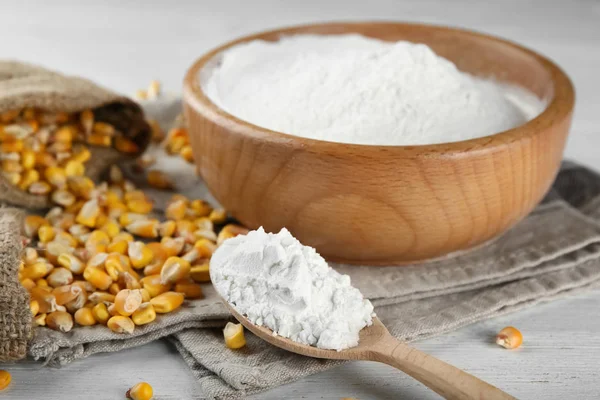
Corn is everyone's favourite meal and snack. It is rich in fibre, antioxidants, and essential vitamins like B and potassium. It can be enjoyed in various forms, such as on the cob, popcorn, or as cornmeal in baked goods. Also, it tastes best in soup or as a salad.
Whole Wheat Bread
As we know, whole wheat is complete starch and fibre. Bread made from it also preserves fibre and essential nutrients. It's a healthier alternative to white bread. It provides sustained energy, so you can easily make sandwiches with them or as a side to meals.
Barley
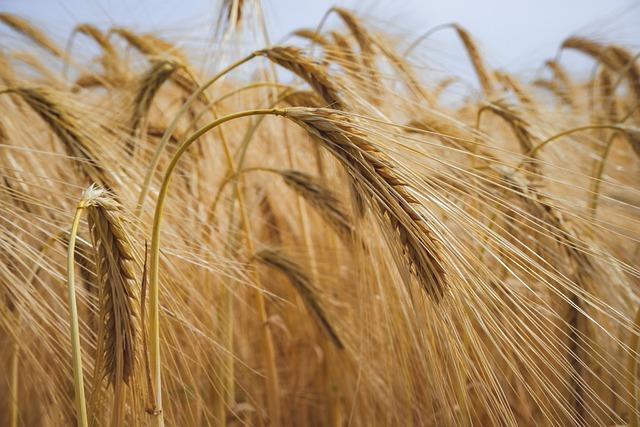
Barley is a nutritious whole grain known for its high fibre content. It promotes heart health and aids digestion. You can use it in soups, salads, or as a side dish. People living in the village make bread from its flour. It has a chewy texture and earthy flavour.
Peas
Peas are small, green, starchy vegetables. They are locked in green pods. Peas are rich in protein, fibre, and vitamins like vitamin K and folate. You can easily enjoy them by adding to soups and stews. It is often paired as a side vegetable along with steaks.
When to Avoid Starchy Foods
While starchy foods are a central part of a balanced diet, some aspects must be taken care of; as we know, starchy food can spike blood sugar levels. People with diabetes should take care of eating glycemic-index (GI) starches, like white bread, white rice, and potatoes, to avoid rapid spikes in blood sugar levels. Refined starchy foods, like pastries, cookies, and chips, are calorie-dense and low in nutrients. Overconsumption can lead to weight gain and increased risk of obesity.
Some individuals experience bloating or digestive discomfort after consuming starches, particularly legumes. This can be avoided by proper soaking or cooking methods, reducing these effects. Most people are intolerant to gluten, which is a wheat-based product. Gluten can cause irritability for people suffering from celiac disease.
Frequently Asked Questions
Q. My goal is to reduce weight. Can I add starch to my diet?
A. you can consume starch, but take care of a healthy weight management plan. So, it is advised to consume food in moderate quantities. So, try to include whole grains such as brown rice, oats, legumes, etc. They help to control hunger and prevent overeating.
Q. Can starchy food increase my blood sugar level?
A. starchy food like bread, pasta and sweet potatoes can spike your blood sugar levels. On the other hand, foods like sweet potatoes and legumes contain more glucose. They promote steady energy levels and better blood sugar control.
Q. If I cook starchy food at high temperatures, will its nutrients be drained?
It can be a scenario, so cooking starchy foods using methods like steaming, boiling, or baking is best. Don't fry them, as they will add unhealthy fats and calories. The best method is to pair them with vegetables as they enhance their nutritional value and ensure a balanced meal.
Bottom Line
If you aim to take a balanced diet, you must consider adding starchy foods as they are the primary energy source. They provide you with fibres, proteins and many vital micronutrients. The best sources are whole grains, legumes, sweet potatoes etc. Adding starch can improve your health and keep you energized all day. By making mindful choices in diet, you can achieve optimal health conditions and enjoy sound health!