Excessive sweating, or hyperhidrosis, is a condition that includes unusually excessive sweat, more than what is needed for temperature regulation. Those who suffer from this condition shed sweat even when it's not hot outside, or they're not working. Therefore, many keep a towel around with them because their hands are constantly damp with sweat.
Excessive sweating most likely occurs on the face, underarms, feet, hands, or scalp. Stress, particular dietary habits, or drinks can cause the condition. To tackle these problems confidently, you must learn about the root causes of excessive sweating. So, let's keep reading, as this is what we will discuss today!

What Are The Causes Of Excessive Sweating?
Excessive sweating is a challenging issue to deal with as it can substantially influence the standard of life, resulting in emotional, psychological, and occupational hurdles. Although this condition may make you awkward or humiliated, it is common and manageable. Remember that different health issues cause excessive sweating. So, to manage or handle this condition, you must know those health issues or root causes, and for that, we have mentioned below:
Menopause
Menopause is regarded as the main cause of excessive sweating, especially in the context of "heated bursts" and " night sweats." Sweating excessively during menopause is mostly caused by alterations in hormones such as estrogen and progesterone, which can upset the hypothalamus (the body's balance). Excessive sweating during menopause can enormously affect a woman's sleep habits and general health. Luckily, numerous methods for dealing with this condition are available.
Hyperthyroidism
Hyperthyroidism is a disorder that occurs when your thyroid glands generate an excessive amount of thyroxine. Thyroxine is a hormone that regulates metabolism. When your body receives excessive thyroxine, it causes rapid cardiac activity and weight reduction. This metabolic surge leads to excessive perspiration, greater hunger, stress, tremors, and other symptoms. If you have signs of a thyroid condition or a family history of thyroid issues, you should have your thyroid examined via blood testing. Your doctor will help you tackle this medical condition using medication.

Diabetes
If you have diabetes, you may notice excessive sweating while resting, consuming specific foods, or having low blood sugar. Low blood sugar levels most commonly cause diabetes-related extensive perspiration. If not addressed promptly, hypoglycemia or low blood sugar can lead to serious health issues and even death. When your blood sugar levels become too low, your body emits extra adrenaline, which induces perspiration. They can occur during the day, but they can also result in night sweats if you have diabetes. Maintaining your blood sugar levels if you have diabetes will assist you in limiting excessive sweating.
Fever
Most people understand that fever may trigger sweating. It occurs when your body resists an infection, causing your body temperature to rise. As your body heats up, you start sweating to cool off. Fever-induced sweating might be associated with chills, shivering, headaches, body pain, and fatigue. Monitor your temperature with a thermometer to see if you have a fever. If the symptoms become severe, get medical help immediately.
Heart Attack
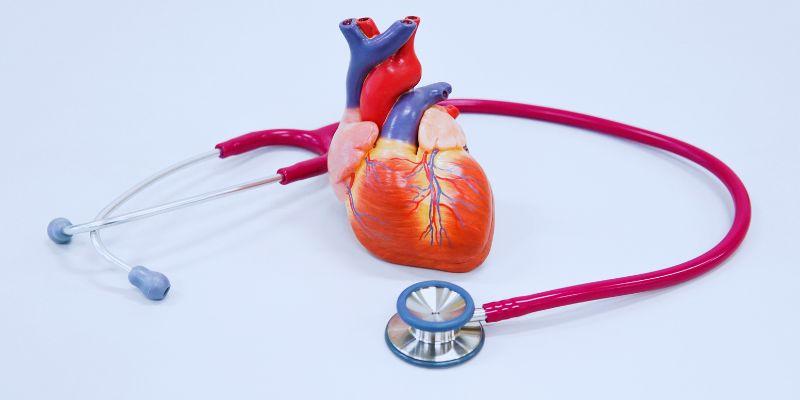
A heart attack is a dangerous condition, and excessive sweating is a common symptom of it. Heart attacks occur when something prevents blood from reaching the heart. When the heart receives an inadequate supply of blood, which also provides oxygen, the body produces a cold sweat, and the person may feel a tightening in the chest that spreads to the arms, neck, and jawline. Sweating is frequently associated with other indicators of a heart attack, such as vomiting, fainting, or pain reaching the arm. If you detect these signs, seek quick medical assistance to reduce risk.
Leukemia
Leukemia is a cancer mostly found in the bone and lymphatic system tissues. Leukemia generally impacts white blood cells. The white blood cells kill the germ. These cells typically develop and split in a structured manner as your body requires them. However, in persons with leukemia, the bone marrow develops an excess of aberrant white blood cells that fail to operate normally. Extreme nighttime perspiration is one of leukemia's many symptoms, including bone discomfort, high fever, infections, and wounds. Make sure you see a doctor for an accurate diagnosis.
Obesity
Obesity arises when you absorb more calories than your body can utilize. If you are obese, you are not alone. It is a widespread condition that affects two out of every five people. Having more weight creates multiple issues since it requires the body to perform tasks harder to allow it to operate effectively. It frequently causes excessive perspiration. The body temperature rises as the heart works harder to get fresh blood cells, leading to sweating. Routine activities such as jogging, standing, or eating might cause an obese person to sweat excessively. It also has an impact on your mental and emotional well-being.
Medications
Some medicines can produce excessive sweating, known as drug-induced hyperhidrosis. If you've recently received a new prescription and have unexpectedly started sweating more than normal, this could be the reason. Excessive sweating can be caused by a variety of medications, including antidepressant medications (e.g., selective serotonin reuptake inhibitors (SSRIs) and tricyclic antidepressants), opioid pain relievers and cholinesterase inhibitors, ADHD medications, diabetes medications (e.g., insulin and oral diabetes medications), and non-steroidal anti-inflammatory medications (NSAIDs) such as celecoxib and naproxen (used to treat dementia). If you suspect your medicine is the cause of excessive perspiration, consult your doctor. Besides medications, some other conditions like Parkinson's disease, HIV/AIDS, stress, malaria, gout, acromegaly, tuberculosis, and spinal cord injury can also cause excessive sweating.
Conclusion:
Excessive sweating can be a temporary or permanent issue that can make your life difficult and daily tasks challenging. It is not usually an indicator of something serious or life-threatening. However, it can lower confidence, disrupt one's career and social activities, and indicate more significant health issues. Sometimes, doctors may be willing to figure out why it's occurring and assist you in discovering solutions to avoid it. There is often no evident cause, but certain conditions like menopause, fever, diabetes, obesity, or heart attack can be the reason behind it. Once you have found the root cause of sweating, you will receive the treatment accordingly.