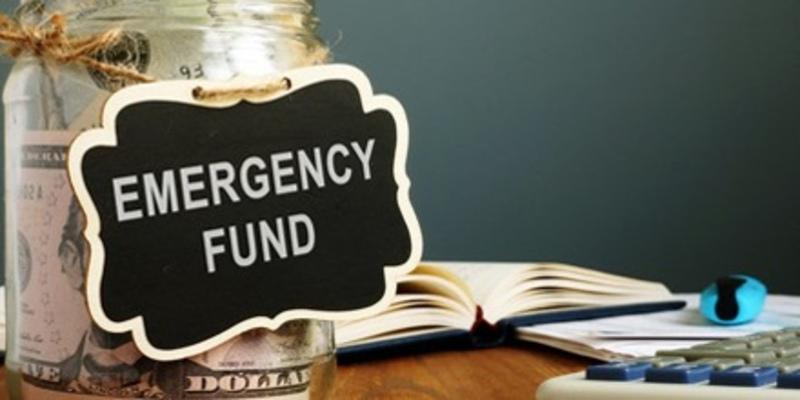
The emergency fund acts as a financial safeguard, giving protection against unpredicted expenses life could present to you. In situations like medical urgency or sudden car repair needs, an emergency fund assures that such unexpected costs do not upset your financial balance. Commonly, people neglect the need for an emergency fund when finances are smoothly running but its value becomes clear in times of crises. This article is going to look at why it's important to have an emergency fund and will give you practical steps on how you can assemble one.
Importance of Emergency Funds
A fund for emergencies is very important to keep financial stability. It works like a safeguard in tough situations, providing relief when unexpected costs emerge. If there isn't an emergency fund, people are more prone to depend on high-interest debts like credit cards or personal loans to meet urgent expenses. This dependence on borrowing can cause lasting money issues, as interest charges increase. By possessing a special emergency fund, people can steer clear of going deep into debt. This maintains their financial stability and reduces worry.
Besides keeping away from debt, an emergency fund helps for faster recovery during u.argent situations. Dealing with things like medical expenses, unemployment, or home repairs--to have money at hand can help to avoid more problems. A certain calmness that results in knowing there's cash ready when needed makes the emergency fund necessary in any plan about finances.
How to Build an Emergency Fund
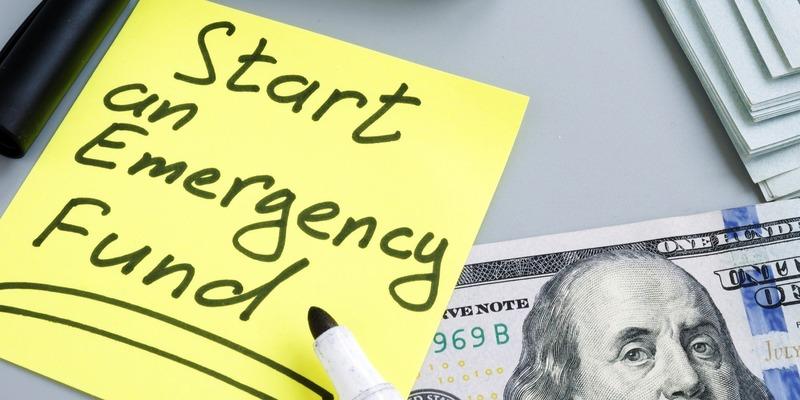
Building a fund for emergencies is not necessarily a challenging duty. If you use the correct method, it does not matter what your earning level is, anyone can commence saving money for emergencies. The main point is to keep stable and systematic, slowly enhancing the number of savings consistently as time progresses. Here are some effective methods to begin building your emergency fund.
Set Small, Achievable Savings Goals
A top method for accumulating savings is to establish several diminutive, practicable objectives instead of striving for a single big aim at once. Begin with an objective that appears attainable, like conserving enough. Money to cover expenses for one month. After achieving this goal, continuously increase the target amount to equal two or three months' worth of costs. Accomplishing these lesser steps will gain speed and encourage you to carry on with the savings.
Start with Small, Regular Contributions
Saving money for an emergency fund does not need big amounts immediately. Begin with a small sum that does not put too much pressure on your budget. Even keeping aside a tiny amount like $20 or $50 each month can make quite the difference over time. The aim is to create a regular practice of putting money aside, where being consistent matters more than the amount. If needed, reduce expenses that are not necessary such as eating in restaurants or subscribing to services so you can have enough money for saving purposes.
Automate Your Savings
A simple method to regularly grow your emergency fund is by making savings automatic. You can arrange for direct deposit from your salary or use a bank's automatic transfer service, putting a set amount of money in an account dedicated only towards emergencies. This avoids the lure of spending this money and makes sure that you save regularly without needing active involvement. Think about using a different account that is not easy to reach, like an account for high-yield savings. This will help in preventing withdrawals that are not necessary.
Avoid Increasing Monthly Spending or Opening New Credit Cards
When savings begin to increase, it is critical not to get caught up in the trap of spending more. For example, if you've decided to stop making unnecessary purchases such as new clothes every month, don't swap that habit for a different one like eating out often or entertainment. Avoid starting any new credit cards or taking on extra monthly expenses because this will take away from your growth toward building an emergency fund. Keeping disciplined and being concentrated on your objectives for savings will eventually guide you towards better financial health in the near time.
Create a Budget and Stick to It
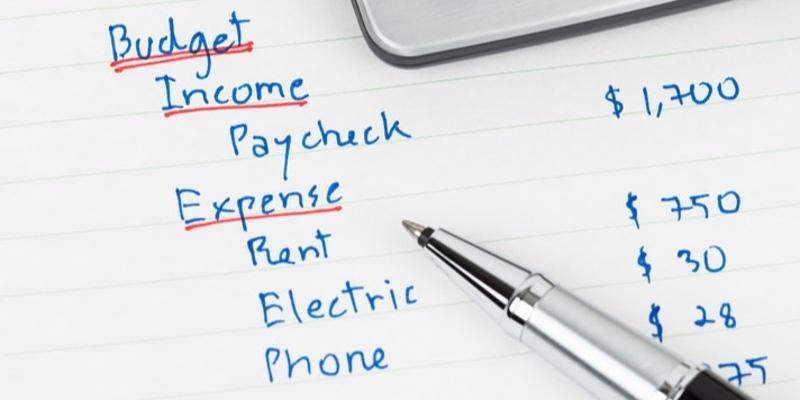
Watching your inflow and outflow of money is a key action in any savings plan, even more so when setting up an emergency fund. By making thorough budget plans, you can find spots where it's possible to reduce spending. This allows the redirection of extra finances toward saving goals instead. Placing priority on your emergency fund within this budgeting process should be treated as a mandatory expenditure obligation requirement with no room for debate or change allowed. Often look over your budget. This is to make sure you are following it and also changing where needed so that you can reach the goal of saving money.
Conclusion
Making an emergency fund is very important for reaching financial safety. It allows you to manage surprising expenses without using high-interest loans, saving your money steadiness and peace of mind. If you make small goals for saving money, send savings automatically often, and watch how much your spending habits are cautious of yours then slowly a strong backup fund can be made by yourself. The procedure could require some time, but the advantages of possessing a financial buffer will be experienced over many years. Initiate now and commence laying down the groundwork for an economically safer tomorrow.